Culinary
Alumni
Hospitality & Business
Alumni
Nol Foretia '16 Fuels Professional Athletes, Private Diners
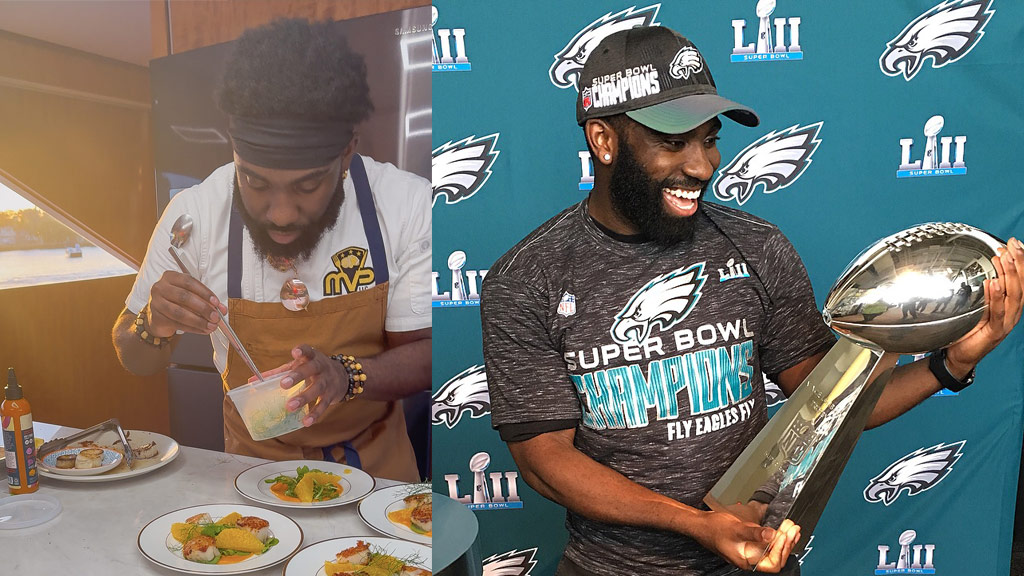
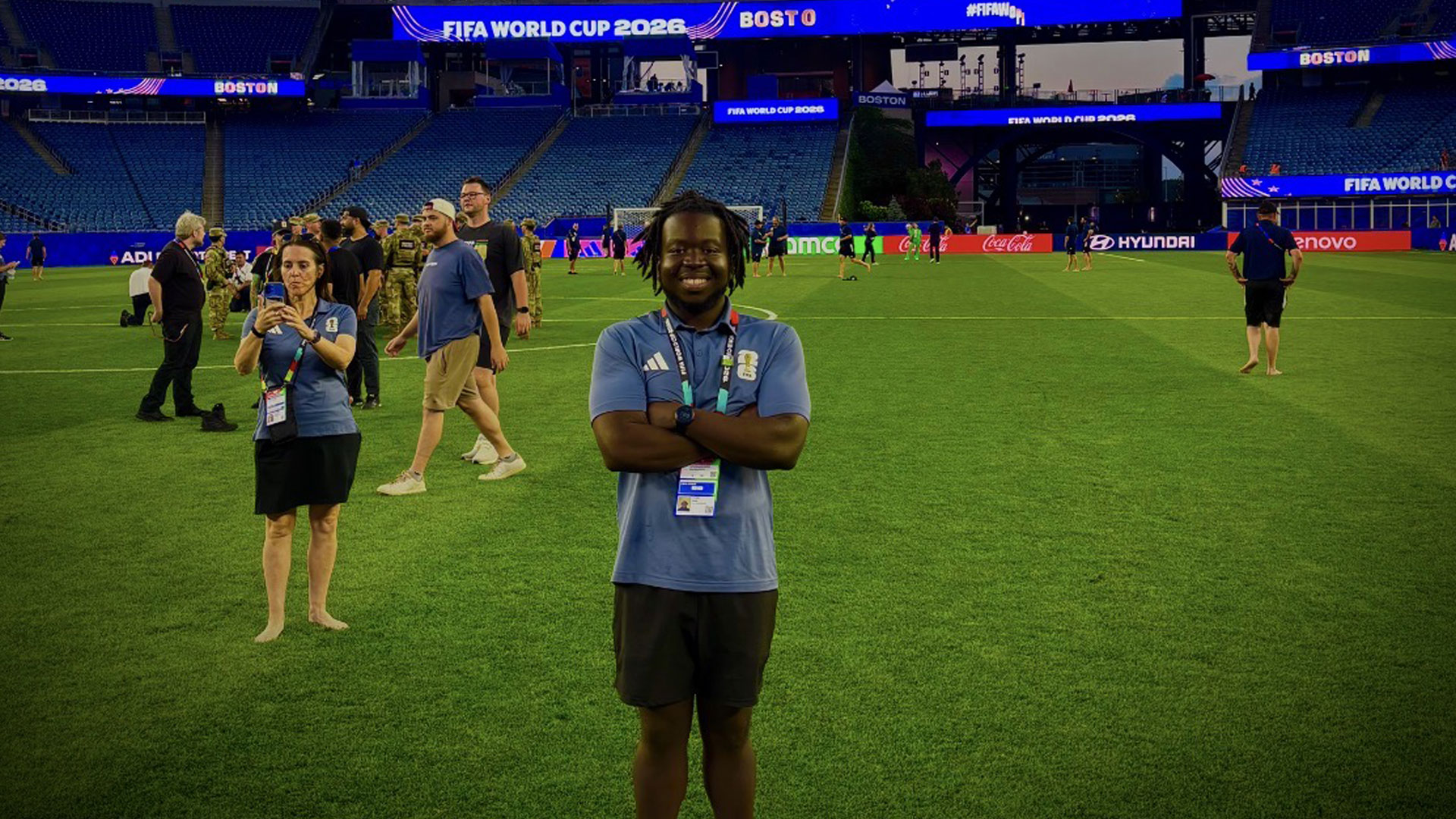
Not all culinary professionals can bill themselves as a “Super Bowl-winning chef,” but Nol Foretia ’16 isn’t your average chef. After earning his B.S. in Culinary Nutrition with a concentration in Clinical/Dietetics from Johnson & Wales University, Foretia embarked on a career path toward becoming an executive performance chef, first for the Philadelphia Eagles and now for the Pittsburgh Pirates.
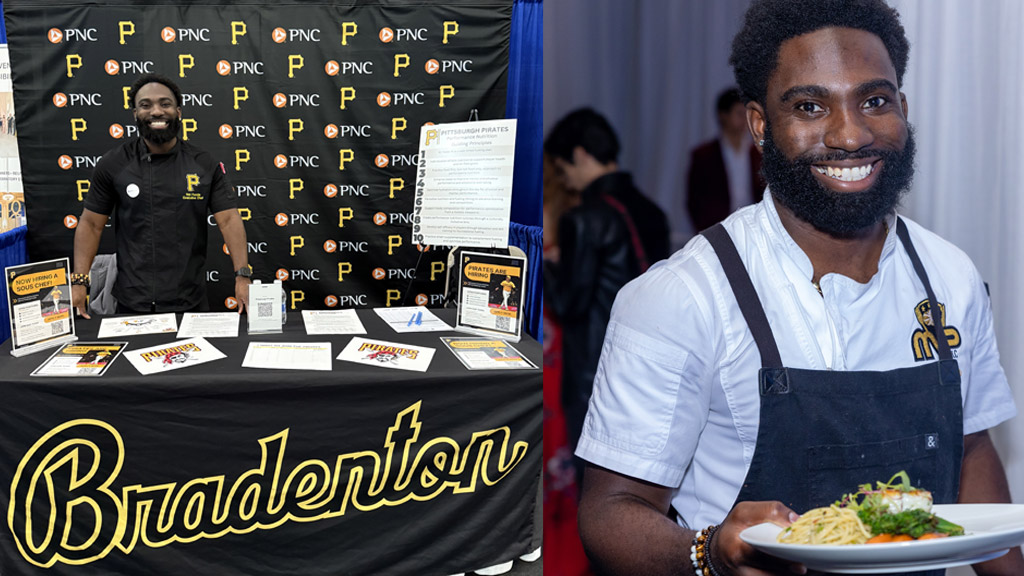
Based at the Pirate City facility in Bradenton, Florida (because, he notes, players can’t train in the wintertime in Pittsburgh weather conditions), Foretia prepares meals for various members of the team, from rookies just coming aboard to players in rehab to minor league athletes, all year long. And although he has since switched sports, having fueled athletes for a Super Bowl win is still strong in his mind.
“Seeing the Eagles win the championship, being part of that victory, being on the team in only my second year in this industry was very eye-opening and surreal,” he shares.
What It’s Like to Feed a Sports Team
“I just started this job with the Pirates last March, so I’m entering my first full-term spring training,” explains Foretia. “I do know it’s our busiest time of year. The whole organization comes down to Florida and it’s one big happy family, with major and minor leaguers, rookies, rehabbers, staff, trainers and coaches all in one facility.”
Open year-round, the facility serves breakfast, lunch and dinner seven days a week, so Foretia has to (pardon the pun) be on his game daily.
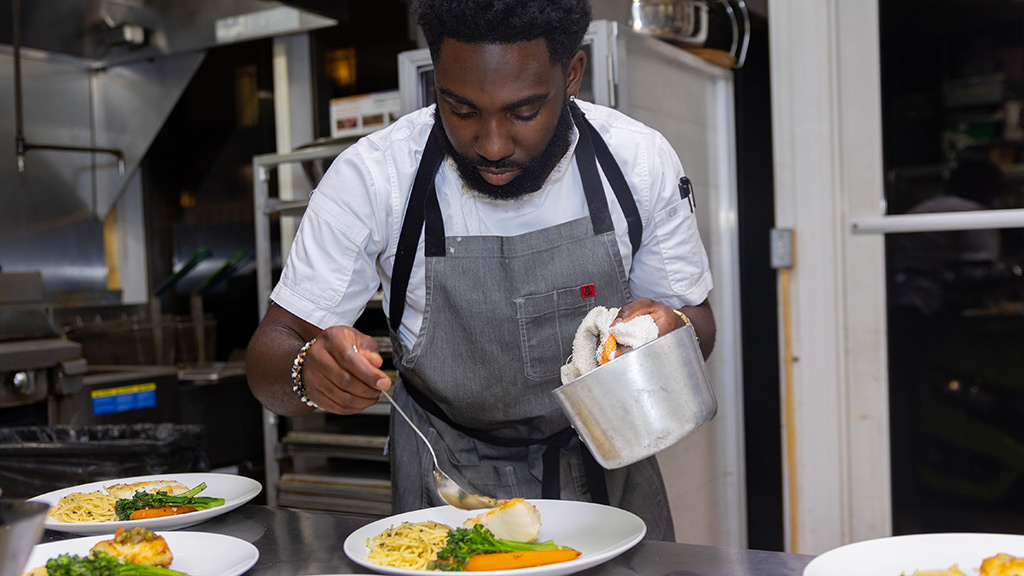
“Whether it’s me or my staff, we work together on different meals,” he says. “It’s a full-scale operation. It means constant food, constant tasting and constant being on the ball, making sure the guys are ready, the food is ready and the players understand what they’re eating. We keep them fueled throughout the day and throughout the year.”
Above all, whether he’s fueling football players or baseball players, Foretia appreciates each team’s confidence in his abilities as a culinary nutritionist.
“Being able to transition from private chef into this role was a big feat,” he says of that experience. “They trusted me enough to give me rein to the kingdom. They basically said, ‘Do your thing; we want your vision of what this kitchen should be like.”
How to Fuel Professional Athletes
So how does Foretia ensure that athletes are getting meals that both taste good and are good for them?
“We get the players educated and accustomed to certain things," he explains. "For instance, some didn’t know what quinoa was, so I got them comfortable with it by explaining that it’s a whole grain finer than rice — it’s not ants! I said, ‘Here’s how it’s prepared, just try it, if you don’t like it, there’s rice over here.’ The best thing we do is get them stuff they’re comfortable with so they’re engaged with eating it.”
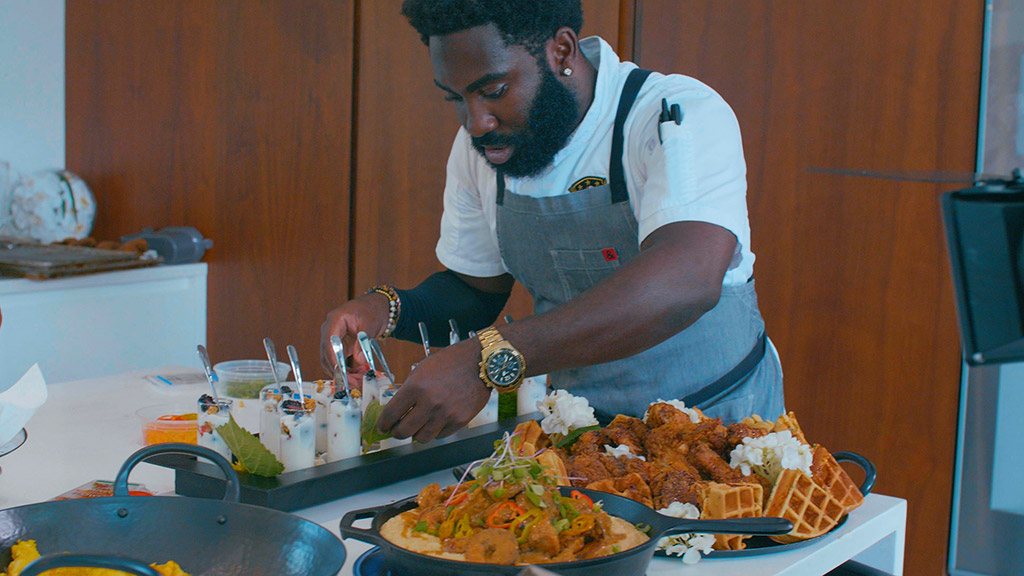
Foretia stresses that education isn’t specific to either the Eagles or the Pirates: “It applies to all sports and all levels; there’s a lot of bad information out there, so as nutritionists we guide them.”
Even professional athletes benefit from guidance. “I’ve had players who ate at Popeye’s before a game! But if we do our jobs, we can provide a path of what to eat, how to get proteins, how to include vegetables. They’re grown adults, many have been elite for a long time and all have a different idea of their own nutrition. It differs from person to person — what works for one player might not work for all — but there’s a common goal we’re trying to reach, a balance we can fine-tune.”
He adds, “It’s for their best interests and their future success.”
What It’s Like Being a Private Chef
When he’s not fueling athletes, Chef Nol is pursuing his other passion: being a private chef through his side business, Meals for Victory.
“Everyone wants to own a restaurant, but did I really want to be in a kitchen from morning to night?” Foretia recalls thinking while he was still a JWU student. “I overheard a chef talking to another student and mentioning they could be a personal/private chef, and I got excited at the idea.” He has built a name for himself over the years as a private chef who can walk that fine line between good for you and good-tasting food.

Here’s how that dream balances with his day job: “I entered JWU’s nutrition program because I wanted to work with athletes, and that is my first focus. But players every now and then look for a chef when they’re having a dinner party or have family coming in — whatever the occasion, they’re looking for someone to cook.”
“I got my start and built connections,” continues Foretia. “I’ve built relationships with many people, but my background with both teams has also expanded those relationships. I’ve met trainers, managers, etc. looking for chefs for their clients. They’ll come up and say, ‘I trust you Chef Nol, I’ve worked with you’ or ‘I’ve seen you on Instagram.’”
Although he’s not a daily Instagram poster, he’s fun to follow; Foretia occasionally shares reels walking viewers through creating better versions of popular meals, such as this healthier recipe for shrimp scampi.
If you’re wondering what go-to food “Chef Nol” makes for himself when he’s not producing amazing meals for others, it’s wings.
“They’re super easy, they’re quick and they can be a whole meal,” he explains. “I taste as I cook, so sometimes I’m not hungry anymore when the meal is done. But with wings I can roast them, grill them, sauce them up and they won’t kill my appetite. Making them with orange teriyaki sauce is top-notch.”
Why Foretia Chose Johnson & Wales
“The biggest question for me was, what would offer a college feel but not be too culinary? I was deciding between CIA and JWU, but CIA was too culinary, and I didn’t want my college life to be too culinary-focused; I wanted other classes. JWU offered me that; not just cooking but other paths and careers in case I wanted something different. Then Culinary Nutrition branched off and felt more like a science degree, so I got to learn about other things like nutrition and dietetics and other pathways besides being in a kitchen.”
“I learned a fair amount of skills at JWU as well as in the industry,” he continues. “I know for sure I had classes at JWU like labs that helped me carve my way to where I am now. I know how to make vegetarian cuisine, sports for athletes, full-scale dinners for clientele, healthy dessert for my players — that all came in handy due to JWU and helped my foundation in nutrition.”
Foretia credits JWU with helping him develop soft skills as well. “I had a communications course in my first year, and being able to speak in public is a big thing. You don’t see that when you’re younger, but when you get into a career and need to communicate with team members, it’s big. In the kitchen I communicate with team members all the time about what we’re doing today or this week, and being an effective communicator is crucial. It’s important to be charismatic and engaging; I’m like, ‘Oh, that’s why we did all that stuff.’”
While studying at JWU’s former Miami Campus, Foretia enjoyed being in a hospitality student club called Entertainment Management during his first couple of years on that campus, before he moved to JWU’s Providence Campus. “It was really cool because I was able to help work events and assist in putting things together,” he recalls.
Friendships were a big part of Foretia’s JWU days. “I made a lot of friends in Miami, and I loved time my with my peers. Then in Providence I was in a community of like-minded students, and we all kind of went through the grind. Spending time in library until midnight getting ready for practice goals and final projects, finishing our medical therapy project — it was all collaborative, we were helping each other out and it felt like a community. We’ve all struggled, and we could understand each other and what was asked of us.”
Foretia’s Advice for Future Chefs
“Find a place that fits you,” he suggests. “Wherever you are now isn’t where you’ll be in five years, so try different experiences and see if you like them. You don’t have to be there forever unless you want to. Doing a job for six months or a year is better than not doing anything if you hold yourself back. You never know which skills you develop now will help you in the future, so it’s important to get those experiences when building your early career in your 20s.”
He also advises JWU students to be open to other options and to find a mentor. “Approach someone more accomplished than you and say, ‘I’ve seen what you do; how can I be like you?’ (But not just like them, because you also want to make yourself different.) Get advice in the industry rather than figuring it all out on your own. I had good opportunities but feel I could have done more if I had a mentor.”
“In this life, we have a lot of ups and downs,” Foretia adds. “It’s a tunnel. Understand that if I’m down, I’m not down for long; the choices you make now always affect your future. When I was younger, I’d think about what I wanted in my future. Now that I’m older and wiser, I’ll still ask, ‘What outcome do I really want?’ Life is a journey, not a straightforward path — so adjust as you go along, make changes and be flexible.”
Related Posts
Arts & Sciences
Alumni
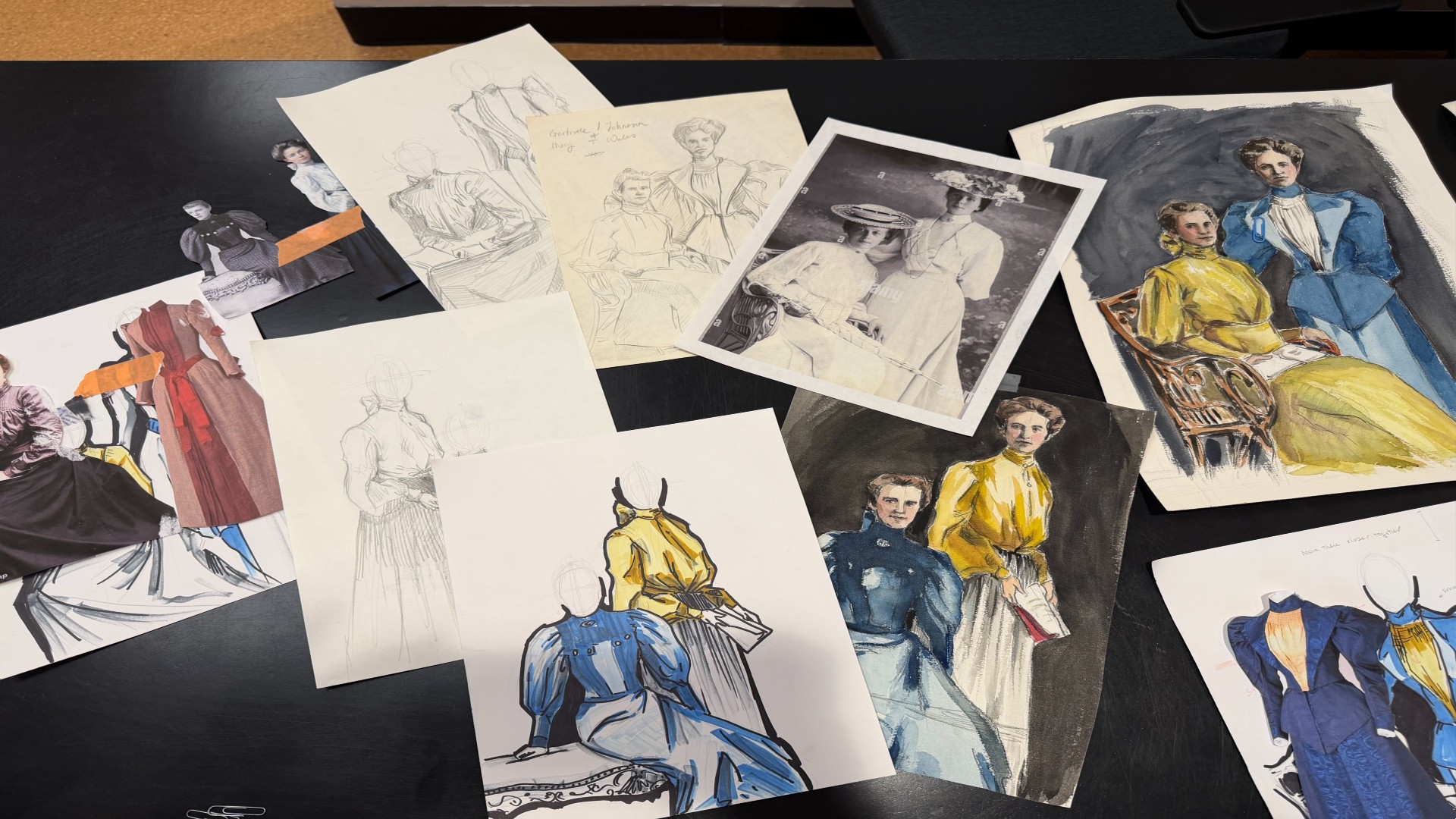
New Portrait Honors JWU Founders Gertrude Johnson and Mary Wales

Alumni
Hospitality & Business
From JWU Student to Restaurant Owner: Andrea Cabrera

Alumni
Arts & Sciences